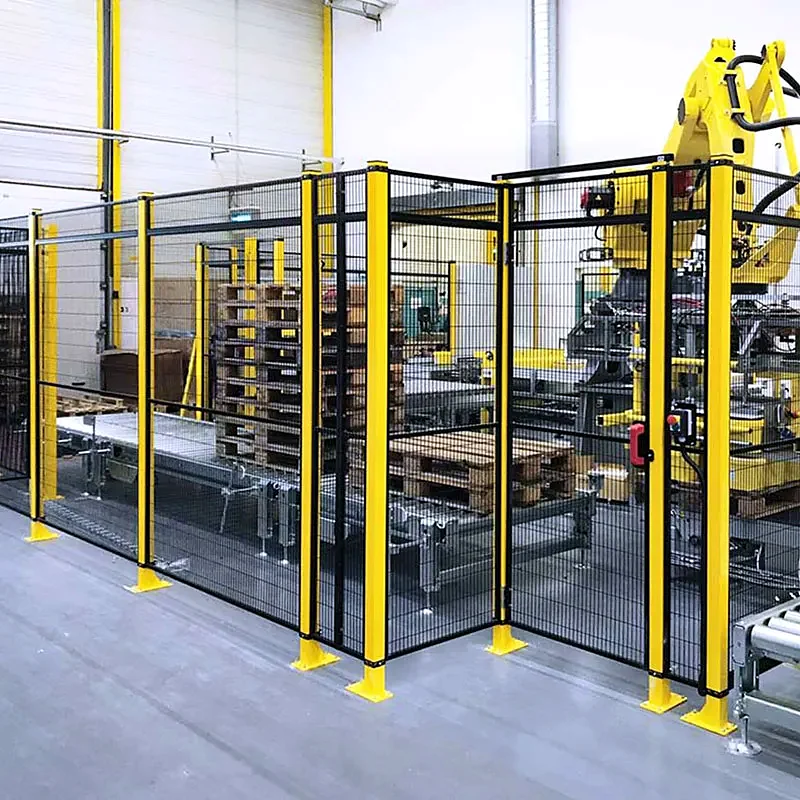
Open access protected by a safety-rated sensing function.
Safety laser scanners and light curtains can protect loading points, open floor areas and material-transfer openings where a fixed barrier or physical door would prevent the process from working. They must be positioned and integrated so the hazardous movement reaches a safe condition before a person can reach it.
Oxford Machine Guarding reviews the complete application: detection capability, approach direction, stopping performance, control response, reach-over and reach-under routes, reflective surfaces, environmental contamination and what happens after the field is cleared.
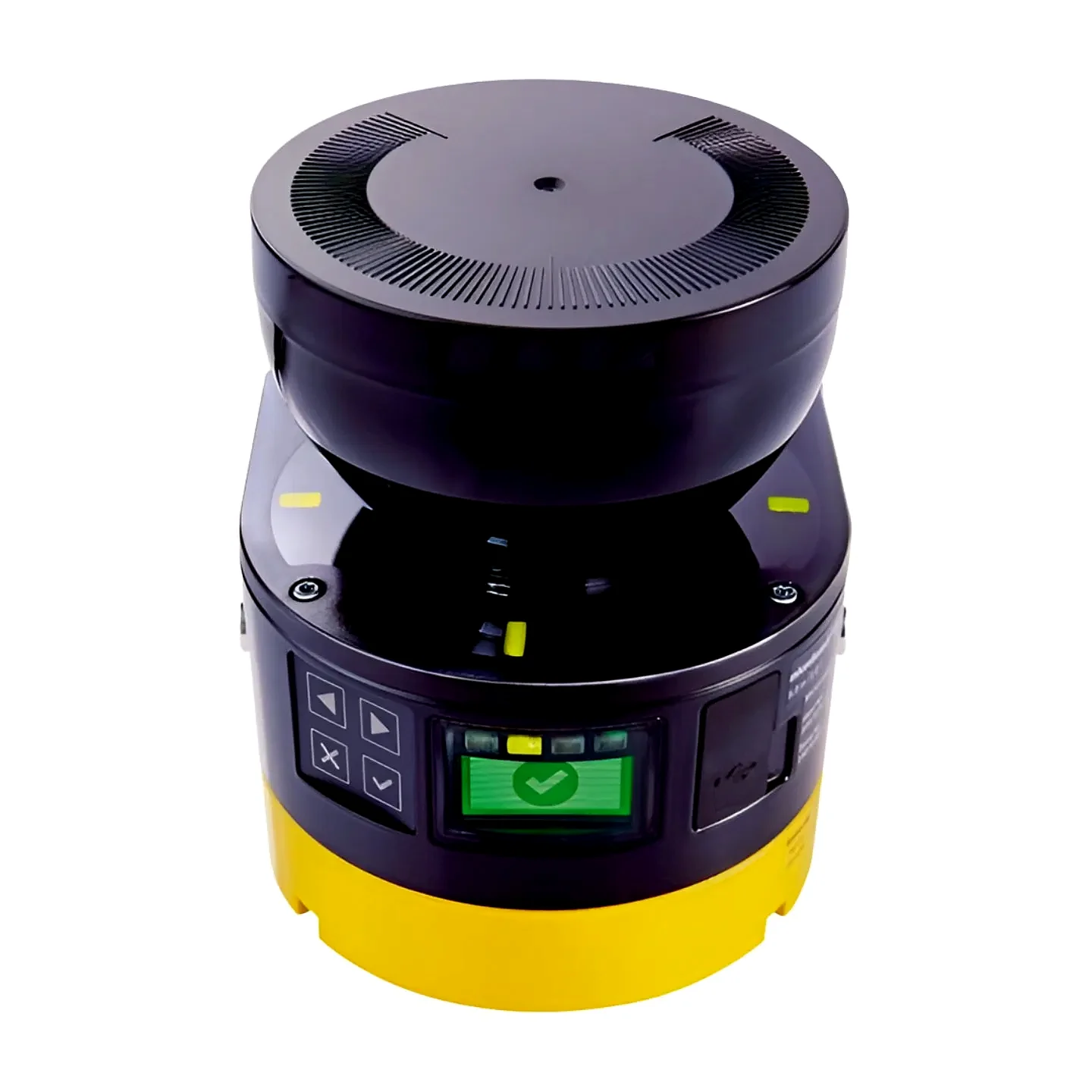
Safety laser scanners.
A scanner creates configurable two-dimensional warning and protective fields. This can suit open floor access, robot loading zones and applications where the protected geometry changes with operating mode. Field shape, occlusion, mounting protection, floor condition and diagnostics all influence suitability.
- Warning and protective field design
- Static or mode-dependent field sets
- Open floor and approach monitoring
- Access and presence detection
- Safe speed or zone interfaces where applicable
- Configuration backup and recorded checks
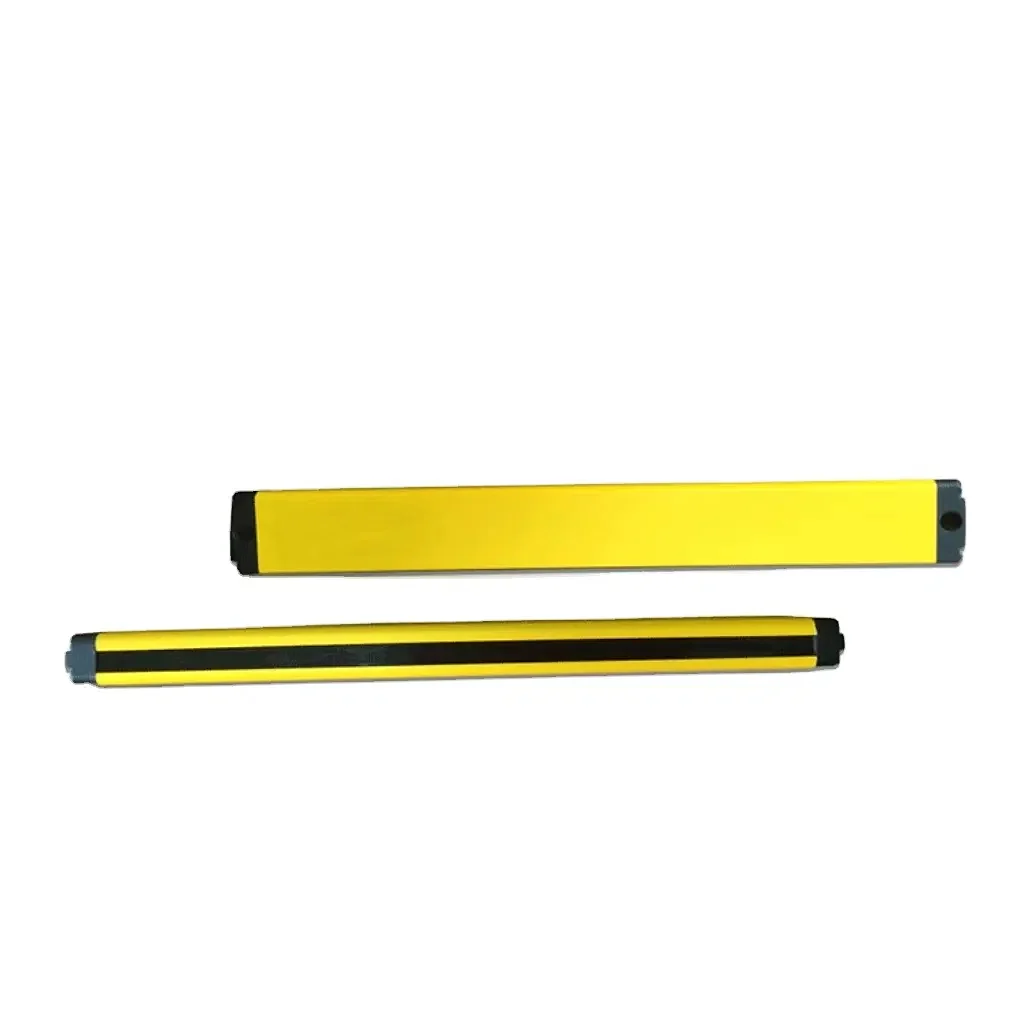
Safety light curtains.
A light curtain provides a defined plane of detection and can be useful at manual loading apertures or conveyor transfer points. The protected height, resolution, mounting position and safety distance must address the body part or access route being detected. Side access, reaching around the device and standing behind it must also be considered.
Muting and material flow.
Where products need to pass through a protective field, a correctly engineered muting arrangement may temporarily suspend the device for the material—but not for a person. Sensor sequence, timing, product geometry, direction, gaps and foreseeable interference must be considered. Additional tunnel guarding or physical restriction can also be needed.
Typical project deliverables.
- Application and access review
- Device and mounting specification
- Protective-distance or field concept
- Safety-control and reset interface
- Field or muting configuration
- Functional checks and handover records