Engineering content review: Oxford Machine Guarding · Updated 1 September 2026. Standards status should be checked at project start.
UK duties for work equipment.
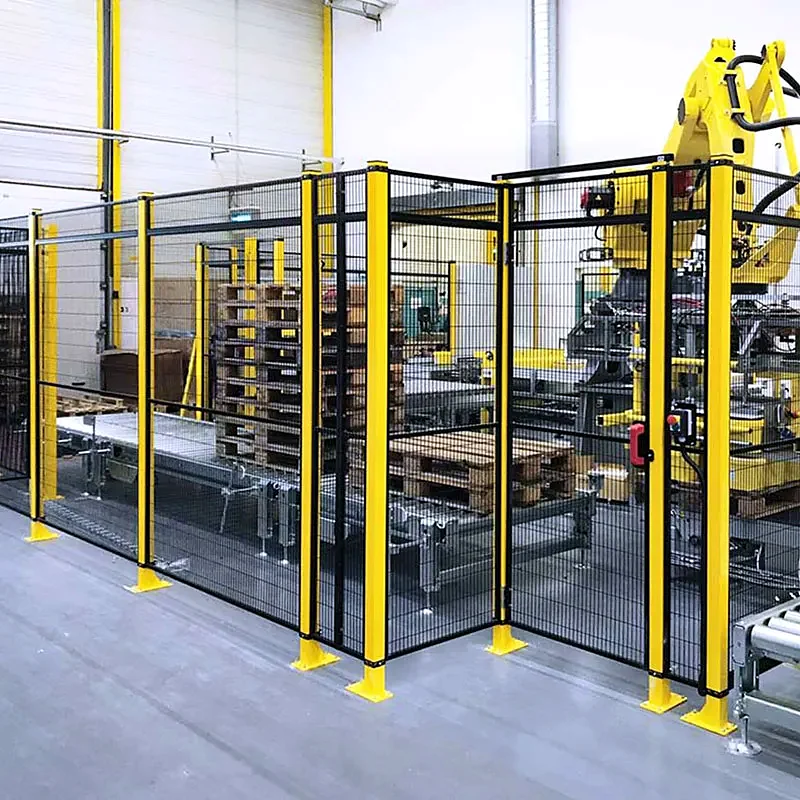
The Provision and Use of Work Equipment Regulations 1998 (PUWER) require work equipment used at work to be suitable, maintained and provided with appropriate measures that prevent or control access to dangerous parts. For a robot cell, this commonly includes the physical boundary, access control, protective devices, stop functions, information and ongoing inspection. The HSE PUWER overview explains the duties placed on people and organisations that own, operate or control work equipment.
Risk assessment and risk reduction.
BS EN ISO 12100 provides widely used principles for identifying hazards, estimating and evaluating risk, and applying risk reduction. Safeguarding comes after inherently safe design measures and needs to account for the complete lifecycle and foreseeable tasks.
Industrial robots and robot cells: ISO 10218:2025.
ISO 10218-1:2025 covers safety requirements for industrial robots. ISO 10218-2:2025 addresses industrial robot applications and robot cells, including integration, commissioning, operation, maintenance and decommissioning. The integrator needs to consider the complete application: end effectors, workpieces, fixtures, associated machinery, safeguarding, operating modes, controls and validation.
The applicable British-adopted editions, designated-standard status and transition arrangements should be checked for the project rather than assumed from the international publication alone.
Common safeguarding standards.
- BS EN ISO 14120: general requirements for the design and construction of fixed and movable guards.
- ISO 14119:2024: current international principles for interlocking devices associated with guards and measures to reduce foreseeable defeat.
- ISO 13857:2019: reach-prevention distances intended to stop upper and lower limbs reaching machinery hazards.
- ISO 13855:2024: current international requirements for positioning and dimensioning safeguards with respect to human approach.
- BS EN ISO 13849-1 and -2: design and validation principles for safety-related parts of control systems.
- BS EN IEC 62061: functional safety of safety-related control systems for machinery.
Verification, validation and evidence.
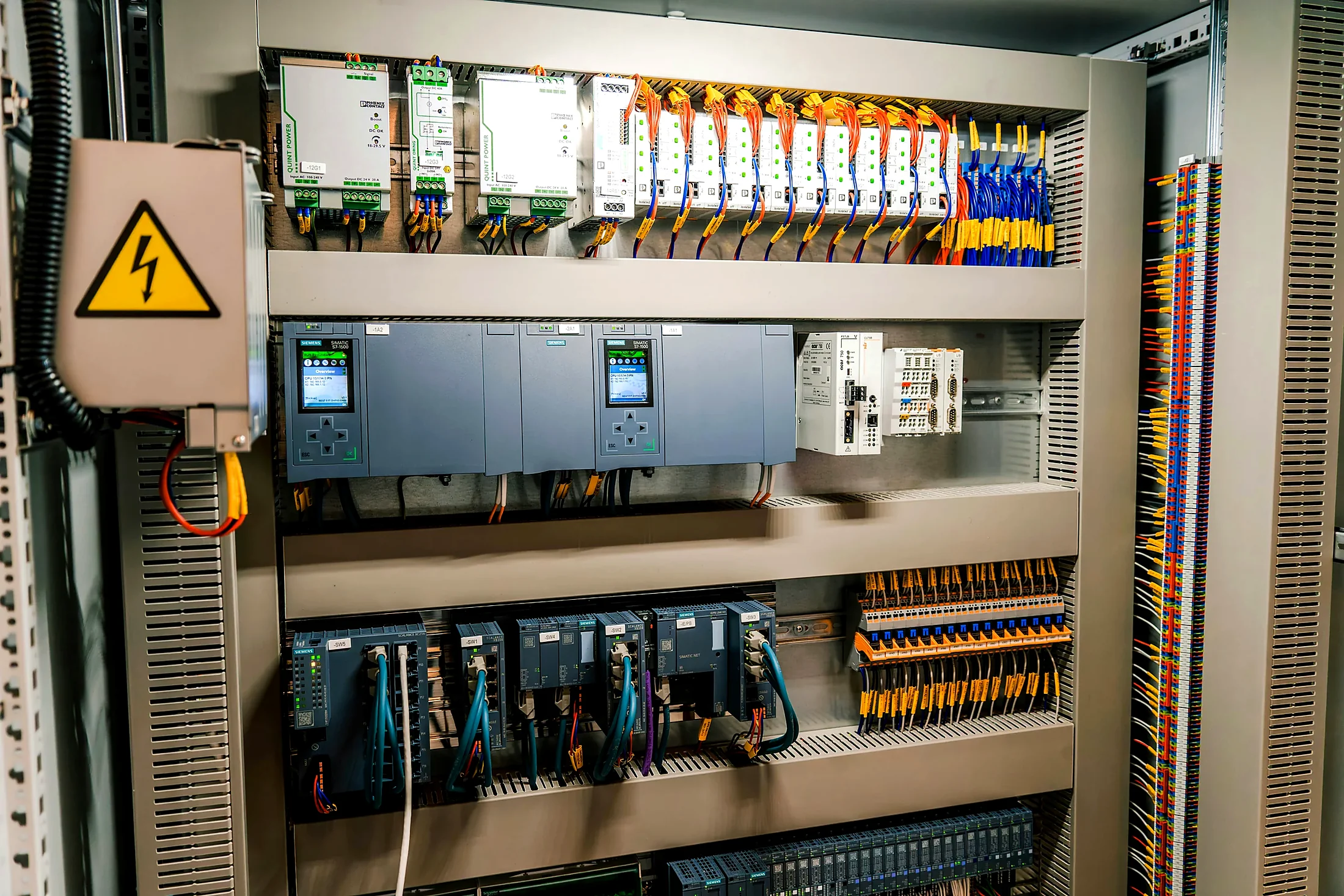
Guard dimensions, safe distances, access logic and safety-related control functions should be verified against the specification. Functional validation should cover normal operation, modes, device actuation, foreseeable faults, reset and restart. The depth of calculation, testing and documentation depends on the project and required safety performance. See the practical guide to robot-cell safety distance and stop time.
New machinery, assemblies and modifications.
New robot cells and machinery assemblies may require conformity assessment and UKCA or CE marking depending on where they are placed on the market. Current Great Britain guidance recognises both routes in defined circumstances. A modification to existing equipment can also change responsibilities if it creates new or increased risk. These responsibilities should be agreed before the project scope is finalised. See the government guidance on the Supply of Machinery (Safety) Regulations 2008.
Start with the application, not a standards list.
Standards support the engineering process, but no catalogue component or single certificate makes the complete robot cell safe. Begin with the robot cell risk assessment, define every access task and safety function, then verify and validate the agreed result.